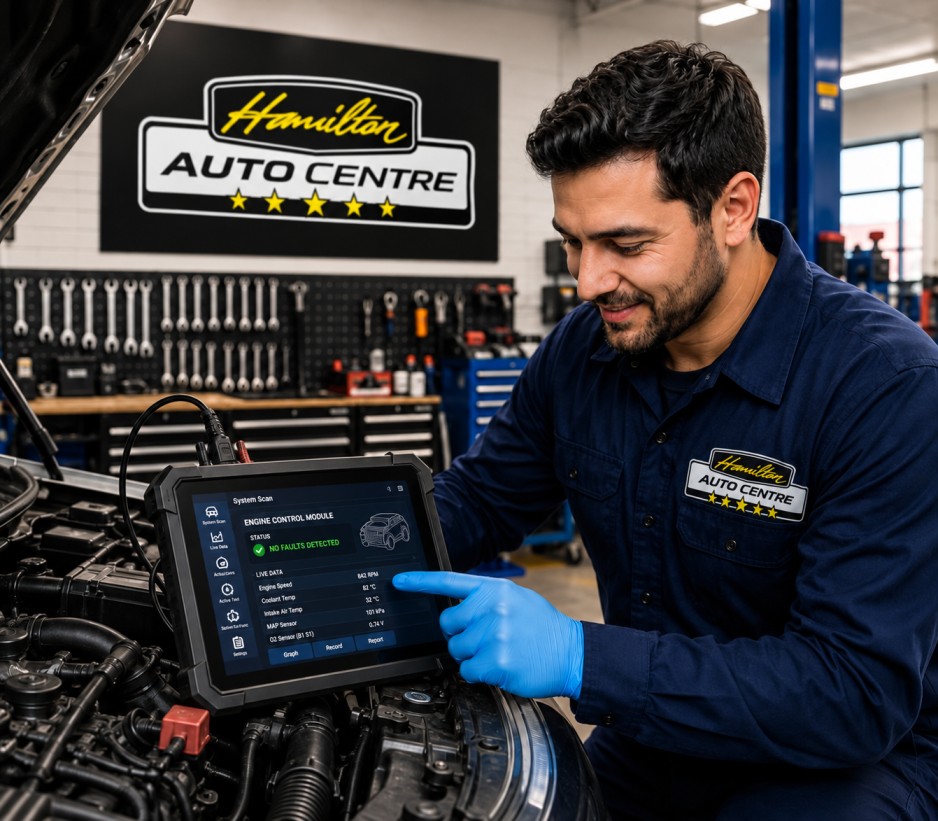


A warning light on your dashboard is your vehicle telling you something isn’t right. Ignoring it can turn a small issue into a costly repair. Our technicians use advanced diagnostic scanning equipment to read fault codes accurately, identify the real cause, and give you a clear picture of what your vehicle needs.
A diagnostic scan does more than read a fault code, it gives us a window into your vehicle’s onboard computer systems. Our approach focuses on accurate scanning, honest interpretation of the results, and clear communication so you understand exactly what’s going on before any repair work begins.
We connect professional diagnostic equipment to your vehicle's OBD port to retrieve all stored and active fault codes across the engine, transmission, and electronic systems.
Accurately Fault codes point us in the right direction, but accurate diagnosis requires understanding what the code means in context. We go beyond the code to identify the actual cause of the fault.
You'll receive a straightforward explanation of what was found and what it means for your vehicle, so you can make informed decisions about any recommended repairs without pressure.
A warning light doesn’t always mean a major repair, but it should never be ignored. Here’s a guide to some of the most common dashboard lights and what they indicate.
One of the most common warning lights. It can indicate anything from a loose fuel cap to a sensor fault or engine issue. A diagnostic scan is the only accurate way to identify the cause.
Indicates low oil pressure or oil level. This should be treated as urgent, continuing to drive with low oil pressure can cause serious engine damage
Usually indicates a problem with the charging system, this could be the alternator, battery, or related wiring. A scan will identify where the fault lies
Points to a fault within the transmission system. Early diagnosis can prevent a minor issue from developing into a major and costly transmission repair.
Indicates a fault in the anti-lock braking system. While the standard brakes may still work, ABS protection may be reduced, this should be checked promptly.
A fault in the supplemental restraint system. If this light is on, airbags may not deploy correctly in an accident, this requires immediate attention.
Warning lights are the most obvious sign, but there are other symptoms that point to underlying faults worth scanning for.
Modern vehicles store detailed fault information in their onboard computers, but reading that information correctly requires the right equipment and the knowledge to interpret it accurately. Our diagnostic service goes beyond simply reading codes, so the real cause of the problem is identified and addressed correctly.
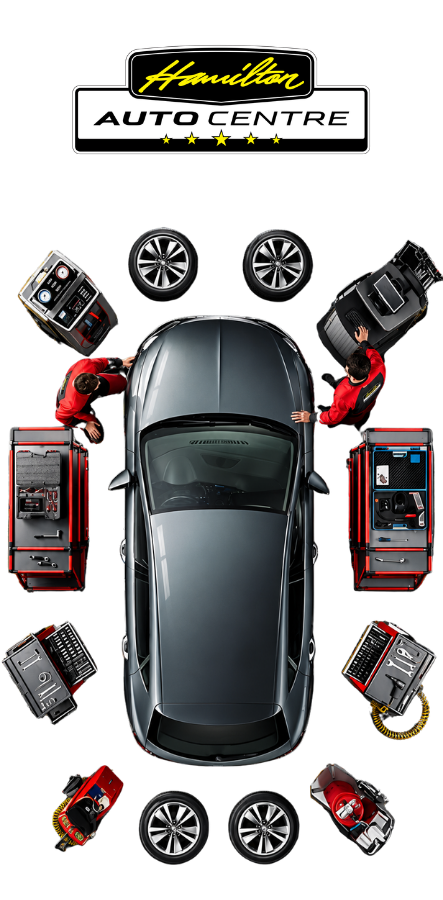
We use professional-grade diagnostic tools that access all vehicle systems, engine, transmission, ABS, airbags, and more, giving a complete picture of your vehicle's health.
A fault code tells us where to look, our technicians use that information alongside physical inspection to identify the actual cause, not just the symptom.
We explain what was found in plain language, what it means for your vehicle, and what we recommend, so you can make an informed decision without pressure.
A diagnostic scan connects professional equipment to your vehicle's OBD port to retrieve fault codes stored in the onboard computer. These codes help identify faults across the engine, transmission, electrical systems, and more.
Stay up to date with the latest maintenance tips, special service discounts, and seasonal offers from Hamilton Auto Centre.
A diagnostic scan connects professional equipment to your vehicle's OBD port to retrieve fault codes stored in the onboard computer. These codes help identify faults across the engine, transmission, electrical systems, and more.
Fault codes point to where a problem exists, but accurate diagnosis requires a technician to interpret the code in context and carry out further checks where needed. A code alone doesn't always tell the full story.
A standard diagnostic scan typically takes 30 to 60 minutes. More complex faults requiring further investigation may take longer.
It's not recommended. Some faults allow the vehicle to continue running normally in the short term, but leaving them unaddressed can lead to more serious and costly damage over time.
Clearing the fault code will switch off the warning light, but if the underlying issue isn't repaired, the light will return. We recommend addressing the cause, not just clearing the code.
Yes, the vehicle needs to be physically present for the diagnostic equipment to connect to the OBD port and retrieve the fault data.
We’ve helped drivers across Hamilton identify and resolve vehicle faults correctly the first time. Each diagnostic scan is carried out thoroughly and the results are always explained clearly, so you know exactly what your vehicle needs.
I'd been driving around with the check engine light on for a while and kept putting it off. I brought it to Hamilton Auto Centre and they did a full diagnostic scan. They found a faulty oxygen sensor that was affecting fuel efficiency. They explained exactly what it was, what it meant, and what the fix involved before touching anything. Sorted the same day and the light hasn't come back since. Should have come sooner.
My car had been misfiring intermittently and two other workshops had cleared the codes without finding the actual cause. Hamilton Auto Centre did a thorough scan and also checked the ignition system physically. They found a failing ignition coil that was only showing a fault under load, something the code alone wouldn't have caught. Fixed properly and no misfires since. Really impressed with the level of knowledge here.
Te Rapa’s trusted destination for complete automotive care. From WOFs to full repairs, we deliver expert workmanship, honest service, and reliable results every time.
© Created by
Manoj Ayyagari
Get an Accurate Repair Estimate